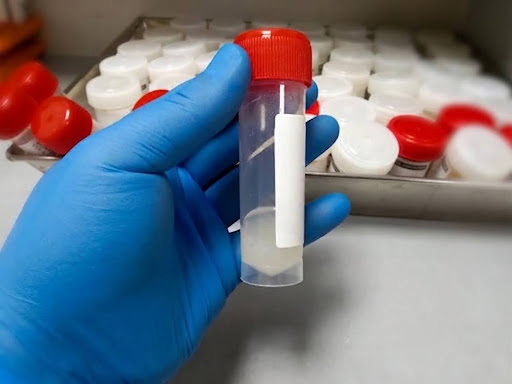
Low sperm count can reduce the chances of natural conception, but it does not necessarily mean infertility.
Many men have no obvious symptoms and only discover a low sperm count during fertility testing. Finding the cause can help determine whether treatment or other fertility options may be needed.
What Is Considered a Low Sperm Count?
A sperm concentration below about 16 million sperm per millilitre of semen is commonly described as a low sperm count, or oligospermia.
However, sperm concentration alone does not determine whether a man can father a child. A semen analysis also looks at factors such as total sperm count, sperm motility, sperm morphology and semen volume.
Does Low Sperm Count Mean You Cannot Have Children?
No. Men with low sperm counts can still father children naturally in some cases, although a lower sperm count may reduce the chances of conception.
The chances of conception depend on several factors, including:
- Sperm concentration
- Total sperm count
- Sperm motility
- Sperm morphology
- Female partner's age
- Female reproductive health
- How long you and your partner have been trying to conceive
Because fertility depends on both partners, a low sperm count should generally be considered alongside the female partner's fertility assessment rather than in isolation.
Does Low Sperm Count Cause Symptoms?
Low sperm count itself usually causes no noticeable symptoms. When symptoms or physical changes are present, they may be linked to an underlying condition affecting fertility, including:
- Reduced sexual desire
- Erectile or ejaculation problems
- Pain, swelling, or lumps in the testicles
- Testicles that are smaller than usual
What Causes Low Sperm Count in Men?
Low sperm count can result from problems with sperm production, sperm transport, medical conditions or lifestyle factors.
Varicocele
A varicocele is an enlargement of the veins around the testicle. It may affect sperm production, partly because it can increase the temperature around the testicle.
Not every varicocele affects fertility or requires treatment, so assessment is important.
Hormonal Problems and Certain Medications
Hormonal problems can affect sperm production and fertility.
Testosterone replacement therapy can also reduce sperm production. Men taking testosterone or anabolic steroids who are trying to conceive should discuss this with a doctor, as these treatments can affect sperm production.
Previous Infections
Certain infections affecting the reproductive tract may interfere with sperm production or block the passage of sperm.
Examples include:
- Epididymitis
- Orchitis
- Some sexually transmitted infections
Blockages in the Reproductive Tract
Blockages can prevent sperm from reaching the semen. Previous vasectomy or reproductive tract surgery can also affect sperm transport.
Lifestyle Factors
Several lifestyle habits may negatively affect sperm production, including:
- Smoking
- Excessive alcohol consumption
- Recreational drug use
- Obesity
- Chronic stress
- Poor sleep
- Frequent exposure to high temperatures
How Is Low Sperm Count Diagnosed?
A semen analysis is the main test used to assess sperm concentration and other semen parameters. Your medical history and physical examination can also help identify possible causes.
Before providing a semen sample, you may be advised to avoid ejaculation for a specified period. Recent ejaculation or prolonged abstinence may affect the results, so it is important to follow the instructions provided by the testing centre.
A semen analysis assesses several aspects of semen and sperm health, including:
- Sperm concentration
- Total sperm count
- Sperm motility
- Sperm morphology
- Semen volume
Sperm concentration is only one part of the assessment. A man may have a normal sperm concentration but abnormalities in other semen parameters that may also affect fertility.
What Does an Abnormal Semen Analysis Mean?
One abnormal semen analysis does not automatically mean infertility. The result needs to be interpreted alongside sperm motility, morphology, semen volume and the couple's fertility history.
If an abnormal result is confirmed, further assessment may help identify whether an underlying condition is contributing to the findings.
Can Low Sperm Count Be Treated?
In some cases. Treatment depends on why the sperm count is low.
Some causes can be treated directly, while in other cases fertility treatment may help improve the chances of conception even if the sperm count does not return to normal.
Lifestyle Changes
Lifestyle changes that may support sperm health include:
- Achieving a healthy weight
- Stopping smoking
- Reducing alcohol intake
- Exercising regularly
- Managing stress
- Getting sufficient sleep
Sperm production takes around 2–3 months, so it may take some time before changes are reflected in a semen analysis.
Lifestyle changes may support sperm health, but they may not be enough when an underlying medical condition is affecting fertility.
Treating Underlying Medical Conditions
If an underlying medical condition is identified, treatment will depend on the cause.
This may include:
- Hormonal treatment for specific hormonal conditions affecting sperm production
- Antibiotics for selected infections
- Medication adjustments where appropriate
Testosterone treatment may need to be reviewed in men who are trying to conceive because testosterone can suppress sperm production.
Varicocele Treatment
If a clinically significant varicocele is affecting fertility, surgery may improve semen parameters in selected patients.
Not every varicocele requires treatment, and improvement in semen parameters does not guarantee pregnancy. A urologist can assess whether treatment is appropriate based on the individual circumstances.
Assisted Reproductive Techniques
If the sperm count cannot be sufficiently improved, assisted reproductive techniques may help a couple conceive despite abnormal semen parameters.
These may include:
- Intrauterine insemination (IUI)
- In vitro fertilisation (IVF)
- Intracytoplasmic sperm injection (ICSI)
The appropriate option depends on the severity and cause of the sperm abnormality, as well as the fertility factors of both partners.
When Should You See a Urologist for Fertility Concerns?
Consider seeing a urologist if you and your partner have been trying to conceive without success or if you have a condition that may affect male fertility.
You may benefit from an assessment if:
- You and your partner have been trying to conceive for 12 months without success
- Your partner is over 35 and you have been trying to conceive for 6 months without success
- Your semen analysis shows abnormal results
- You have a history of testicular injury, surgery, chemotherapy or radiation therapy
- You have persistent testicular pain or swelling
- You have been diagnosed with a varicocele
- You have another known condition that may affect fertility
You do not necessarily need to wait 6 or 12 months if a semen analysis is already abnormal or you have a known risk factor for male infertility.
A urologist can help assess whether the problem may be related to sperm production, sperm quality, hormones, sperm transport or another reproductive condition.
Frequently Asked Questions
Can supplements increase sperm count?
Some supplements are marketed for male fertility, but an abnormal sperm count should first be assessed for an underlying cause. Supplements should not replace evaluation for conditions such as varicocele, hormonal abnormalities, medication effects or reproductive tract obstruction.
Can low sperm count be improved naturally?
It may improve with healthy lifestyle changes, but this depends on the underlying cause. Conditions such as varicocele or hormonal disorders may require treatment.
Does frequent ejaculation affect a semen analysis?
Recent ejaculation can temporarily affect sperm concentration in a semen sample. Follow the testing centre's instructions on how long to avoid ejaculation before providing a sample.
Explore Your Male Fertility Options
If you and your partner have been trying to conceive without success, or if you have received an abnormal semen analysis result, further assessment can help clarify the underlying factors.
A male fertility specialist can review your reproductive health, explain your semen analysis results and discuss appropriate next steps based on the underlying cause and your fertility goals.