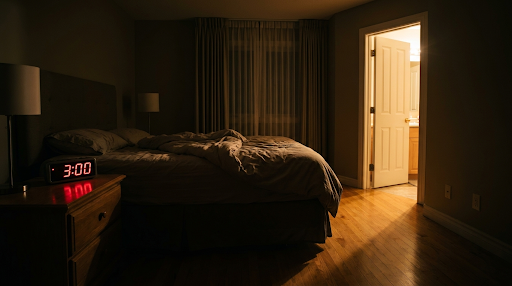
Waking up to urinate at night once in a while may not be unusual. But when it happens two or more times a night, it can affect your sleep, energy, and day-to-day life. This is medically known as nocturia.
For men, frequent urination at night may be linked to an enlarged prostate, also known as benign prostatic hyperplasia or BPH. Still, the prostate is not always the cause. Bladder problems, diabetes, urinary tract infections, medication, sleep issues, and evening drinking habits can also play a part.
If this has been happening often, especially with weak urine flow or a feeling that your bladder does not empty fully, consider speaking with a prostate specialist in Singapore.
Key Takeaway
Frequent urination at night may be caused by an enlarged prostate, but other urinary or health-related causes can also play a role. The cause should be identified before treatment is planned.
How Many Times a Night Is Too Often?
Waking once at night can happen, especially after drinking more fluids in the evening. Waking twice or more on most nights is more concerning, especially if it affects sleep.
You should take it more seriously if you:
- Wake up two or more times most nights
- Feel tired in the day because of poor sleep
- Pass only a small amount each time
- Notice changes in urine flow or bladder emptying
Frequent urination at night can have several possible causes. In men, changes in urine flow or bladder emptying may point to a prostate or urinary issue.
How an Enlarged Prostate Can Affect Urination
The prostate sits below the bladder and surrounds the urethra, the tube that carries urine out of the body. As men get older, the prostate may enlarge. This enlargement is usually non-cancerous, but it can press on the urethra and affect how urine flows.
When urine flow is restricted, the bladder may not empty properly. This can lead to more frequent urination, including at night. BPH is more likely when night-time urination comes with other urinary symptoms, such as:
- Weak or slow urine stream
- Difficulty starting urination
- Stopping and starting while urinating
- Dribbling after urination
- Sudden urgency
- Feeling that the bladder is not fully empty
Some men put up with these symptoms for months because they assume it is part of ageing. That is common, but persistent symptoms should still be assessed, especially if sleep is affected.
If these symptoms continue, a urologist can assess whether BPH or another urinary tract issue is involved.
Other Possible Causes Besides Prostate Enlargement
Night-time urination does not always mean the prostate is enlarged. Other possible causes include:
- Drinking too much water close to bedtime
- Alcohol, tea, or coffee in the evening
- Overactive bladder
- Urinary tract infection
- Diabetes
- Certain medications
- Poor sleep quality
Because there are different possible causes, it is important to identify what is causing the symptom before deciding on treatment.
When Should You See a Urologist in Singapore?
Consider seeing a urologist if night-time urination is persistent, worsening, or affecting your sleep. Medical review is also advisable if it comes with changes in urine flow.
Book a consultation if you have:
- Night-time urination that affects sleep
- Weak or slow urine flow
- Difficulty starting urination
- Urgency or frequent daytime urination
Seek prompt medical attention if you have:
- Blood in the urine
- Fever with urinary symptoms
- Severe pain
- Inability to pass urine
For ongoing symptoms, a urologist can help determine whether the issue is due to BPH, infection, bladder problems, or another urinary tract issue.
How a Urologist May Assess Your Symptoms
A urologist will usually ask about your night-time urination, urine flow, urgency, and bladder emptying.
Assessment may include:
- Symptom review
- Urine and blood tests
- Urine flow or bladder emptying checks
- Prostate assessment, where appropriate
These tests help narrow down the likely cause of the symptoms.
Treatment Options If BPH Is the Cause
Treatment for an enlarged prostate depends on your symptoms, test results, prostate size, and how much it affects daily life. Not every man with BPH needs surgery.
Possible options include:
- Lifestyle changes, such as reducing evening fluids, alcohol, or caffeine
- Medication to improve urine flow or reduce prostate size
- Minimally invasive procedures to relieve obstruction
- Surgery, if symptoms are severe or complications develop
Treatment should depend on the cause, symptom severity, and test findings.
Frequently Asked Questions
Why do I keep waking up at night to urinate?
You may be waking up at night because of evening fluid intake, caffeine, alcohol, medication, sleep issues, or an underlying urinary condition. In men, an enlarged prostate may also be a possible cause.
Is frequent urination at night a sign of enlarged prostate?
It can be. Frequent urination at night may be linked to an enlarged prostate, especially when it happens with weak urine flow, difficulty starting, or incomplete bladder emptying.
How many times is normal to urinate at night?
Waking once at night may be acceptable for some people. Waking twice or more regularly may suggest an underlying medical condition, especially if it affects sleep or daily life.
Can nocturia be caused by something other than prostate enlargement?
Yes. Nocturia can be caused by bladder problems, urinary tract infection, diabetes, medication, sleep issues, or evening fluid, caffeine, or alcohol intake.
When should I see a urologist for frequent urination at night?
See a urologist if night-time urination is persistent, worsening, or affecting sleep. You should also seek medical review if you have weak flow, pain, blood in urine, recurrent infections, or difficulty passing urine.
Can an enlarged prostate be treated without surgery?
Yes. Some men improve with lifestyle changes or medication. Procedures or surgery may be considered if symptoms are severe, medication does not work, or complications develop.
Do Not Ignore Persistent Night-Time Urination
Night-time urination is common, but it should not be dismissed if it happens regularly or affects your sleep.
If symptoms persist, arrange an assessment to understand the underlying cause